
Cytotoxic Drug Spills – the Risks in Hospitals
Cytotoxic drug spills pose significant risks to healthcare workers, patients, and the hospital environment. Understanding these risks—and how to prevent and manage them—is critical to maintaining a safe healthcare setting.
What Are Cytotoxic Drugs?
Cytotoxic drugs, also known as antineoplastic or chemotherapy agents, are essential in the treatment of cancer and other serious conditions. They are designed to kill or inhibit the growth of rapidly dividing cells. While this makes them effective against cancer, it also means they can damage healthy cells. Many cytotoxic agents are classified as hazardous because they are toxic, carcinogenic, mutagenic, teratogenic, or capable of causing organ damage even at low levels of exposure.
How Cytotoxic Drug Spills Occur
Spills can occur at various points in the medication-use process, including:
- Preparation and compounding in pharmacies
- Transport within the hospital
- Administration to patients
- Disposal of drug waste and contaminated materials
Contributing factors include inadequate training, equipment failure, poor handling techniques, high workloads, and lack of appropriate spill-response resources.
Health Risks to Healthcare Workers
Exposure to cytotoxic drugs can occur through skin contact, inhalation of aerosols, ingestion, or accidental injection. Acute effects may include skin irritation, eye damage, headaches, dizziness, and nausea. Long-term or repeated exposure has been associated with more serious outcomes such as reproductive disorders, infertility, genetic damage, and an increased risk of cancer.
Nurses, pharmacists, cleaning staff, and waste handlers are particularly vulnerable, especially if spills are not promptly identified and properly managed.
Risks to Patients and Visitors
Drug spills in patient care areas can expose non-target individuals, including patients receiving other treatments and hospital visitors. Immunocompromised patients, pregnant individuals, and children are especially at risk. Contaminated surfaces may also contribute to indirect exposure if not adequately cleaned.
Environmental and Operational Impacts
Cytotoxic spills can contaminate hospital surfaces, equipment, and wastewater systems. Improper cleanup may lead to persistent contamination, increasing the likelihood of repeated exposure. In addition, spills can disrupt clinical workflows, require area closures, and lead to costly decontamination efforts and regulatory consequences.
Importance of Spill Management and Prevention
Effective risk reduction relies on a combination of prevention and preparedness, including:
- Comprehensive staff training on safe handling and spill response
- Use of engineering controls such as biological safety cabinets and closed-system transfer devices
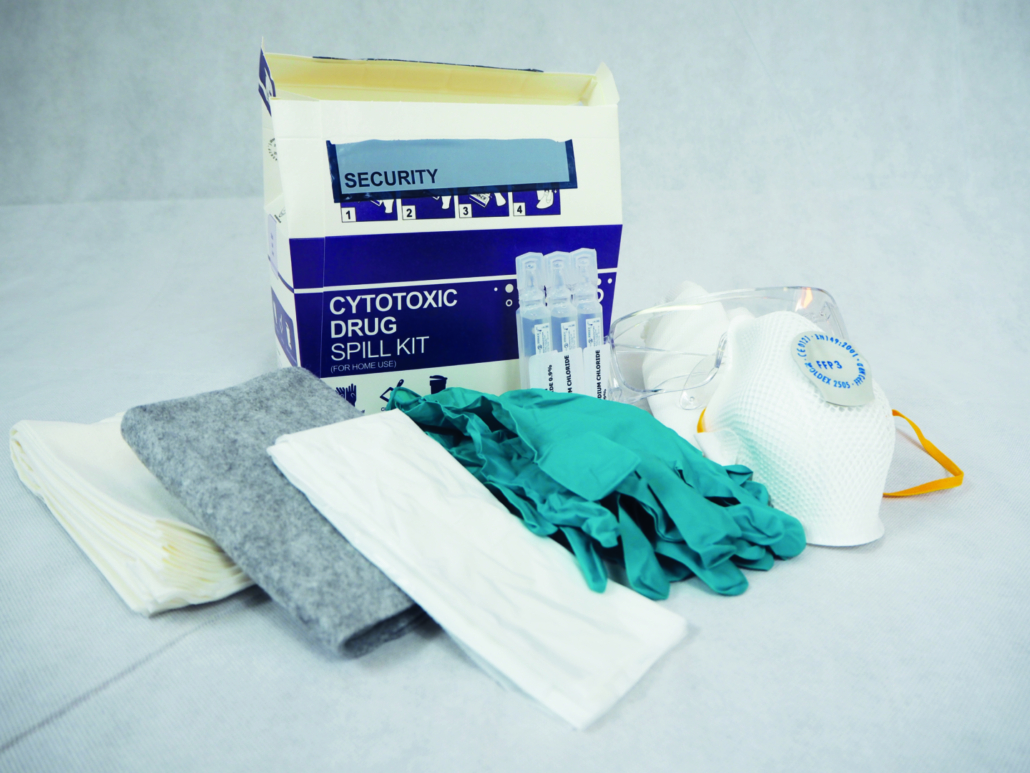
- Availability of clearly labelled cytotoxic spill kits
- Use of appropriate personal protective equipment (PPE)
- Clear protocols for reporting, cleanup, and medical evaluation after exposure
Regular audits, incident reviews, and updates to safety procedures help ensure ongoing compliance and improvement.
Conclusion
Cytotoxic drug spills represent a serious occupational and environmental hazard in hospitals. While these medications are indispensable in modern healthcare, their risks must be carefully managed. Through proper training, robust safety systems, and a strong culture of awareness, hospitals can minimize the likelihood of spills and protect the health of workers, patients, and the broader community.
If you would like help spill training, we can help you and your teams. Just click here for information on our cytotoxic drug spill training.
You can also click here to find out about our Cytotoxic Drug Spill Stations for hospitals and click here for information on our Home Cytotoxic Drug Spill Kits for where the drugs are administered in the patient’s home.
Alternatively, please call our spill management team on 0333 015 4345.

