
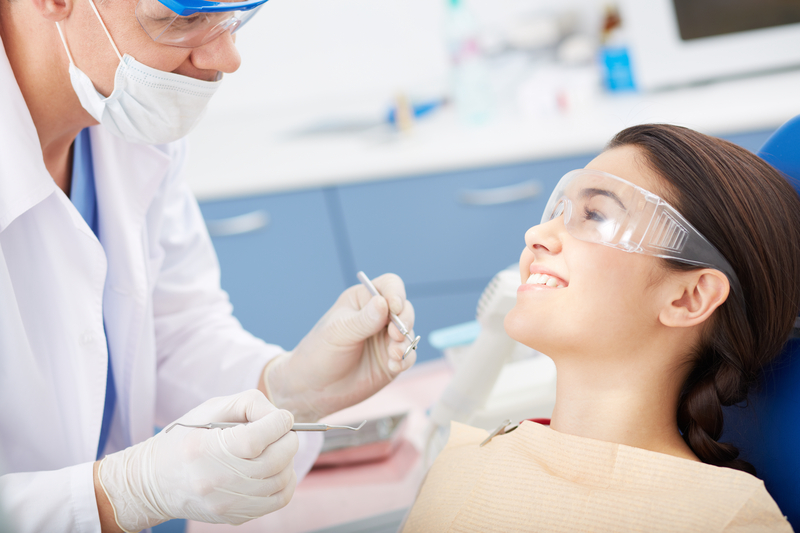
Xylene Medical Uses, Hazards, and Exposure Limits
In this post, we’ll focus on the medical and dental applications of xylene. We’ll explore the exposure risks and advise on how you can best manage them to protect your staff from short- and long-term health effects.
What is Xylene?
Xylene is a colourless liquid, a volatile organic hydrocarbon with a distinctive sweet smell. It might also be referred to as dimethyl benzene, methyl toluene, and xylol. Xylene is used in many industries, and it carries certain exposure risks.
Xylene Medical and Dental Uses
Xylene has major applications in histology, or microanatomy. Technicians use xylene to process and stain tissue samples, making them transparent so they can better determine the presence of diseases. Histopathology technicians may also use xylene to clean slides of stains, to make them more visible under microscopes.
Xylene is also widely used as a cleaner in medical and dental settings, often as part of a disinfectant solution. Finally, certain chemicals containing xylene can have specialist medical uses. For example, P-xylene-2-sulfonic acid can be used as a reagent to determine cholesterol levels in serum.
Xylene Hazards and Exposure Risks
One major hazard of xylene is that it’s highly flammable at room temperature. This alone means staff should take great care when storing, handling, or transporting xylene. Also, xylene is not soluble in water, which can make containment and cleaning more difficult in the event of a spillage.
Xylene is highly irritant to the skin, and it can cause damage to the cornea if it comes into contact with the eyes. Yet the greatest risks come from inhaling xylene.
Effects of Short-Term Exposure to Xylene
In the short term, this can lead to dizziness, nausea, fainting, headaches, vomiting, visual impairments, and even heart arrhythmias.
Effects of Long-Term Exposure to Xylene
When xylene enters the bloodstream, it slows down the central nervous system. As a result, long-term exposure can result in major organ damage.
Xylene Workplace Exposure Limits
COSHH legislation means that staff must only be exposed to a certain amount of a hazardous substance in a specified period of time. This is known as the time weighted average (TWA).
Xylene has a TWA of 50 ppm, or 220 mg/m3 in 8 hours. The short-term exposure limit (STEL) is 100 ppm, or 441 mg/m3 in 15 minutes.
How to Manage the Risks of Xylene Exposure
- Store xylene in tightly closed containers in a cool, dry, segregated, and well-ventilated area, away from any possible source of ignition. Eye wash facilities and emergency cleaning facilities must also be available.
- Xylene must only be used in well-ventilated areas.
- Any staff handling xylene should wear appropriate PPE. This includes safety goggles, protective gloves, and overalls to minimise all forms of skin contact. If there is insufficient ventilation in the area, respiratory protection will also be necessary.
- In the event of a spillage, any contaminated clothing must be removed and washed before re-use. Cleaners should use a dedicated chemical spill kit to prevent the xylene from spreading and entering drains or water courses.
- In the event of skin contact, wash the area thoroughly with soap and water, and seek immediate medical attention if irritation develops or persists.
- In the event of eye contact, rinse eyes continuously for at least 15 minutes, removing any contact lenses before rinsing.
How We Can Help You Manage Xylene Exposure Risks
We offer a range of products and services that will help you protect your staff from the hazards of xylene exposure:
- Workplace Exposure Monitoring – Using both continuous monitoring and personal sampling techniques, we’ll help you ensure you’re meeting your COSHH obligations wherever your staff are exposed to xylene in your healthcare setting.
- Chemical Spill Kits – In the event of a xylene spillage, our specialist chemical spill kits will help your staff contain the substance as quickly and effectively as possible. We can also train your staff to ensure they understand the correct containment procedures.
For more information about how we can help you manage the xylene exposure risks in your hospital, call us on 0333 015 4345 or email info@cairntechnology.com.

